Storying Extinction: Responding to the Loss of North Idaho's Mountain Caribou
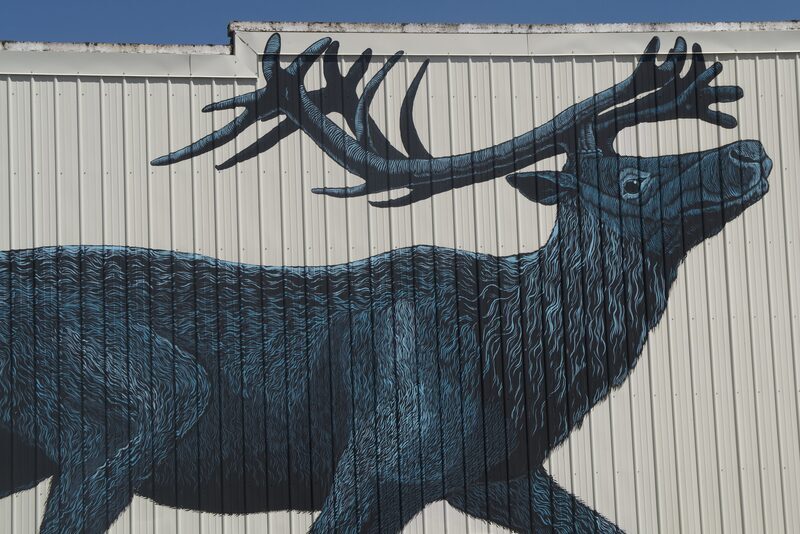
Multidisciplinary, "deep map" essaying of the extirpation of North Idaho's Caribou population.
Creator: Jack Kredell and Chris Lamb



Sedimentation is deeply inspired by the many historians, geographers, political ecologists, journalists, activists, and river-lovers who have thought deeply about Glen Canyon or other sites of human-nature interaction.
Below are the works that I have found to be the most exciting, enlightening, and moving.
If you’d like to learn more about Glen Canyon’s history, human-nature relations, or spatial storytelling, I hope you’ll find this is a good place to start.
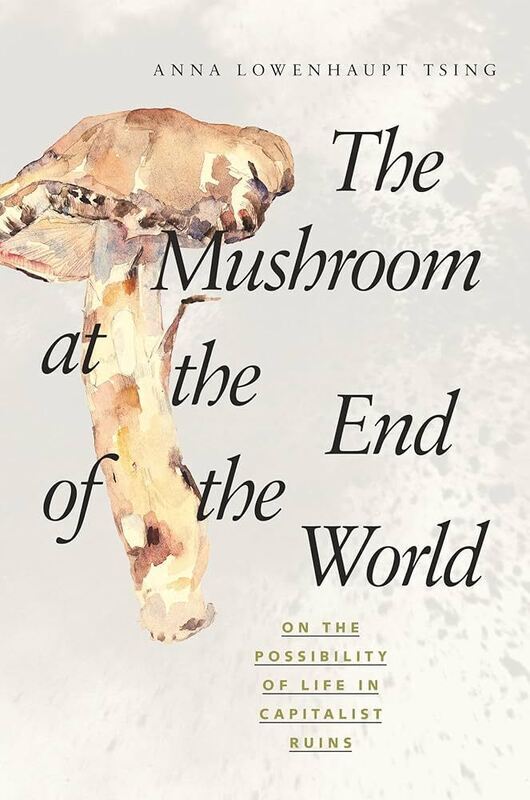
Synopsis excerpt: By investigating one of the world’s most sought-after fungi, The Mushroom at the End of the World presents an original examination into the relation between capitalist destruction and collaborative survival within multispecies landscapes, the prerequisite for continuing life on earth.
Read it here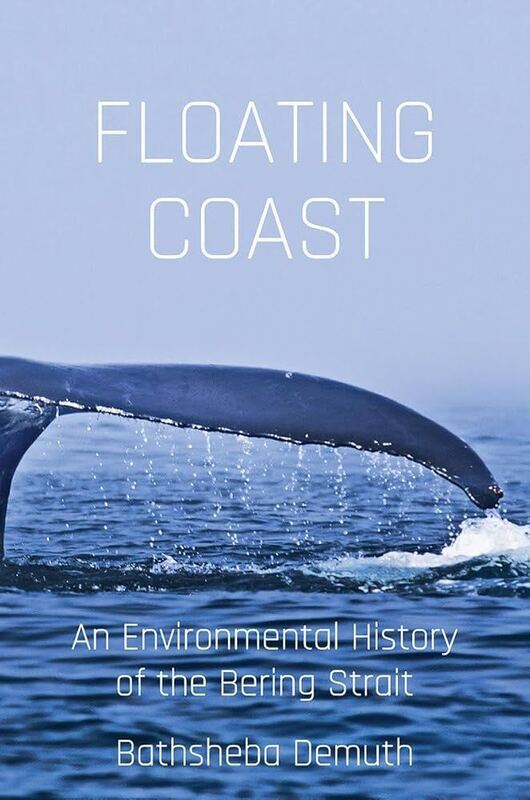
Synopsis excerpt: The unforgiving territories along the Bering Strait had long been home to humans—the Iñupiat and Yupik in Alaska, and the Yupik and Chukchi in Russia—before American and European colonization. Rapidly, these frigid lands and waters became the site of an ongoing experiment: How, under conditions of extreme scarcity, would modern ideologies of capitalism and communism control and manage the resources they craved?
Read it here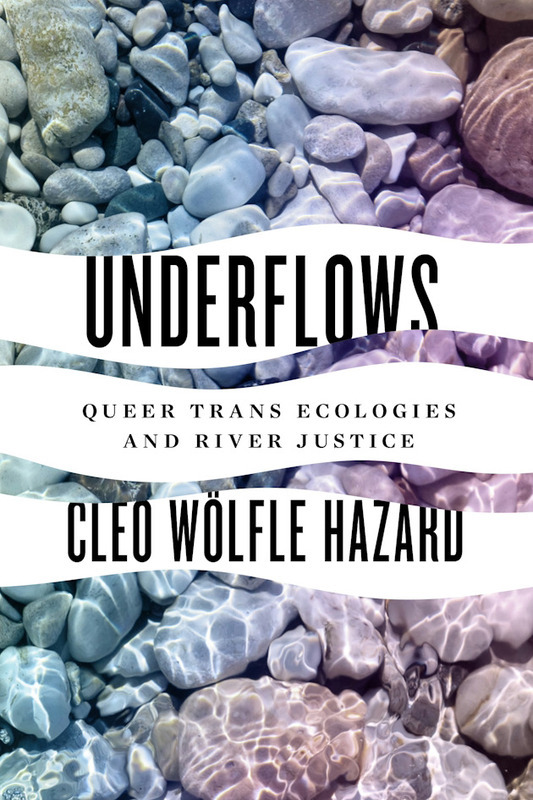
Synopsis excerpt: Rivers host vibrant multispecies communities in their waters and along their banks, and, according to queer-trans-feminist river scientist Cleo Wölfle Hazard, their future vitality requires centering the values of justice, sovereignty, and dynamism.
Read it here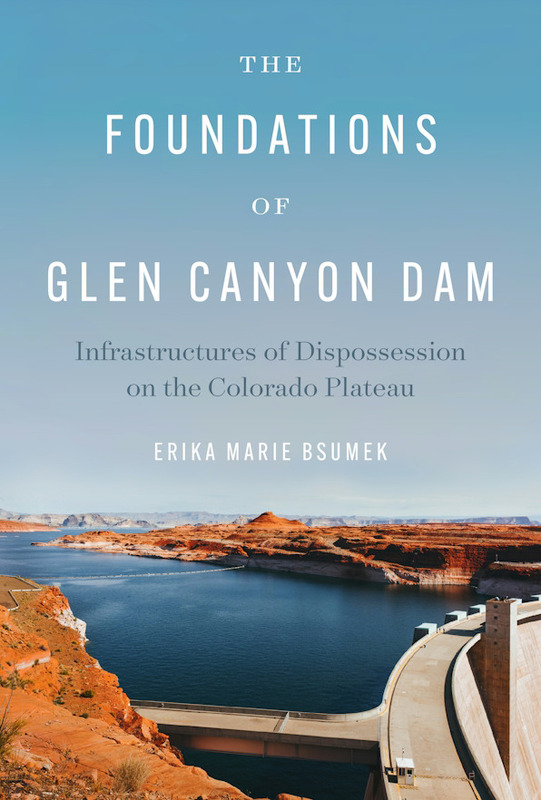
Synopsis excerpt: Erika Marie Bsumek reorients the story of the Glen Canyon Dam to reveal a pattern of Indigenous erasure by weaving together the stories of religious settlers and Indigenous peoples, engineers and biologists, and politicians and spiritual leaders.
Read it here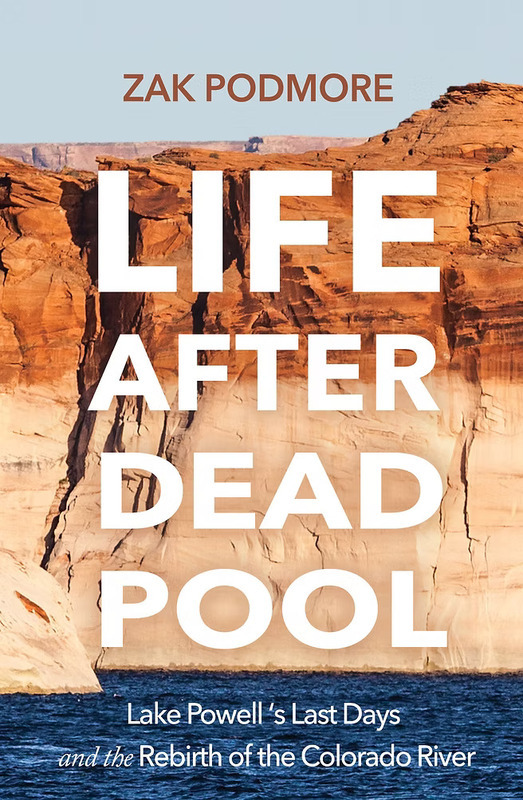
Synopsis excerpt: A changing climate and design flaws in the Glen Canyon Dam have pushed the once-massive Lake Powell reservoir to the brink of collapse. Now, as Glen Canyon reemerges, its surprising ecological rebirth reminds us that nature’s capacity to heal may well outpace our own imaginations. Environmental journalist Zak Podmore explores the complex challenges ahead and reframes the inevitable loss of Lake Powell as a turning point for a more sustainable future.
Read it here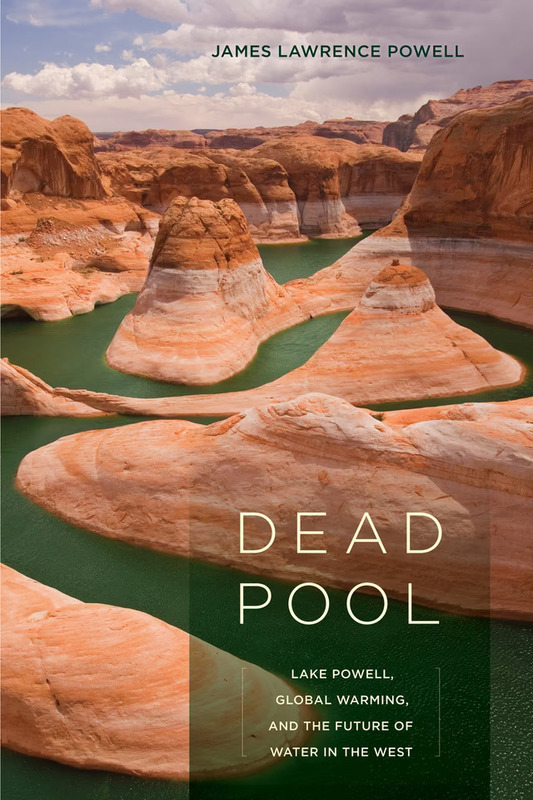
Synopsis excerpt: Dead Pool explains why America built the dam that made Lake Powell and others like it and then allowed its citizens to become dependent on their benefits, which were always temporary. Writing for a wide audience, Powell shows us exactly why an urgent threat during the first half of the twenty-first century will come not from the rising of the seas but from the falling of the reservoirs.
Read it here
Synopsis excerpt: Jared Farmer traces the history of exploration and development in the Four Corners region, discusses the role of tourism in changing the face of the West, and shows how the “invention” of Lake Powell has served multiple needs.
Read it here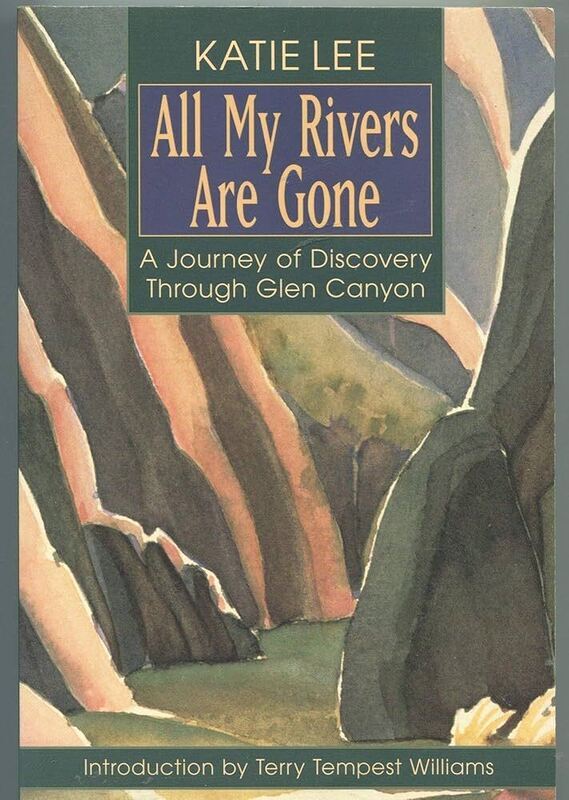
Synopsis excerpt: Glen Canyon and the river that ran through it changed Katie Lee’s life. She’d made sixteen trips down the river, even named some of the side canyons. Her descriptions of a magnificent desert oasis and its rich archaeological ruins are a paean to paradise lost.
Read it here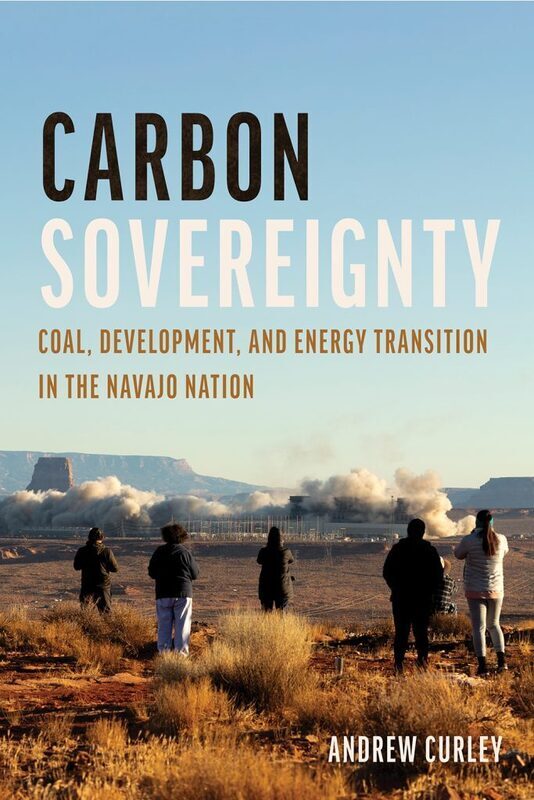
Synopsis excerpt: Geographer Andrew Curley, a member of the Navajo Nation, examines the history of coal development within the Navajo Nation, including why some Diné supported coal and the consequences of doing so.
Read it here
Abstract excerpt: This paper argues that the Colorado River is a story of ‘colonial becoming,’ the making of a ‘resource’ for purposes of diversion, irrigation, and ultimately dispossession. The paper works first to show how settler-colonialists defined ‘the river,’ then linked it to projects of empire informed by a colonial ontology that saw the desert as bereft of life and needing improvement.
Read it here
Abstract excerpt: This article accounts for the colonial politics necessary to bring Colorado River water into Phoenix and Tucson. It highlights how the following moments worked to enlarge Arizona’s population and power while denying Diné water claims: the 1922 Colorado Compact, Arizona’s 1960s campaign for the Central Arizona Project, and recent Indian water settlements between Arizona and Navajo Nation.
Read it here
Abstract Excerpt: This dissertation spotlights indigenous encounters with Glen Canyon Dam and places Native peoples, especially the Diné, at the center of the dam story.
Read it here
This documentary, produced by Patagonia films, explores the damage wrought by dams across the United States. A large portion of the film focuses on Glen Canyon and Katie Lee’s trips though it.
Read it here
Kate Dawson highlights the injustices borne by sediment management as sediment is extracted from some sites in order to produce wealth and power in others. She calls for greater attention to sedimentary politics and distribution.
Read it here
Abstract excerpt: This article introduces the concept of the “social life of sediment,” that is, the idea that the existence and movement of sediment is entwined with social needs, values, and activities, and needs to be appraised in his historical dimension.
Read it here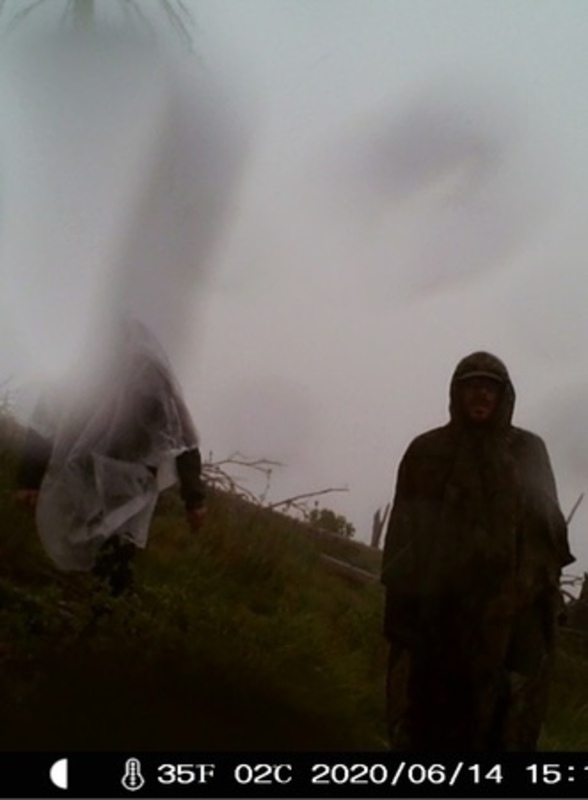
Abstract excerpt: This article argues that a multidisciplinary synthesis of GIS, digital, and narrative approaches is critical for communicating and exploring shifting spatial relations in the era of the Anthropocene and sixth mass extinction.
Read it here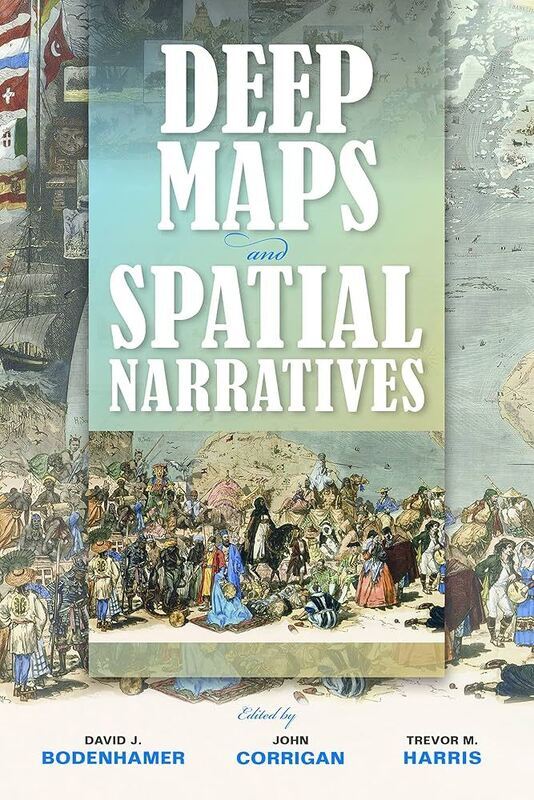
Synopsis excerpt: The essays in this book investigates the practice of deep mapping. Deep maps are finely detailed, multimedia depictions of a place and the people, buildings, objects, flora, and fauna that exist within it and which are inseparable from the activities of everyday life.
Read it here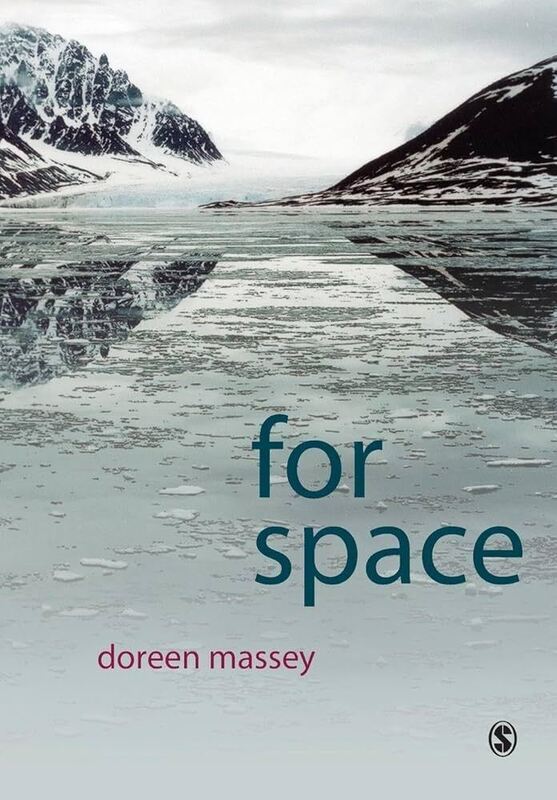
Synopsis excerpt: In this book, Doreen Massey makes an impassioned argument for revitalising our imagination of space. She takes on some well-established assumptions from philosophy, and some familiar ways of characterising the twenty-first century world, and shows how they restrain our understanding of both the challenge and the potential of space.
Read it here
Multidisciplinary, "deep map" essaying of the extirpation of North Idaho's Caribou population.
Creator: Jack Kredell and Chris Lamb
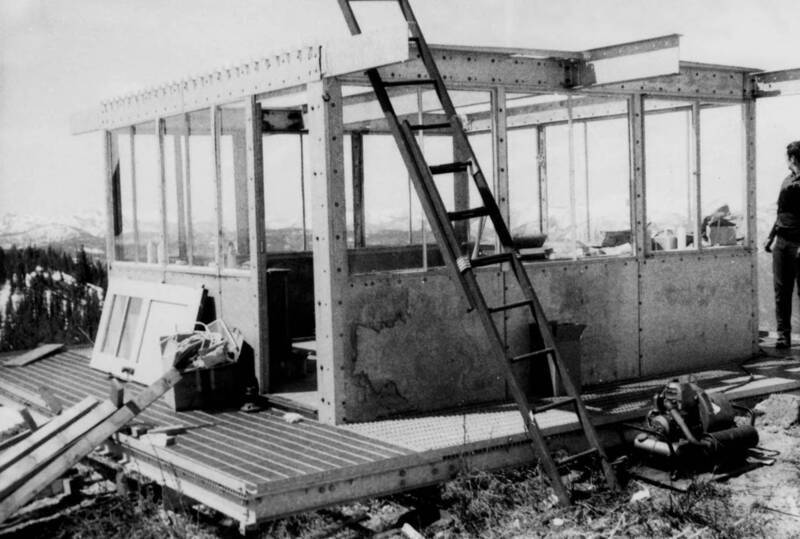
A “deep” spatial, historical, and biocultural setting of the fire lookout tower in Idaho.
Creator: Michael Decker
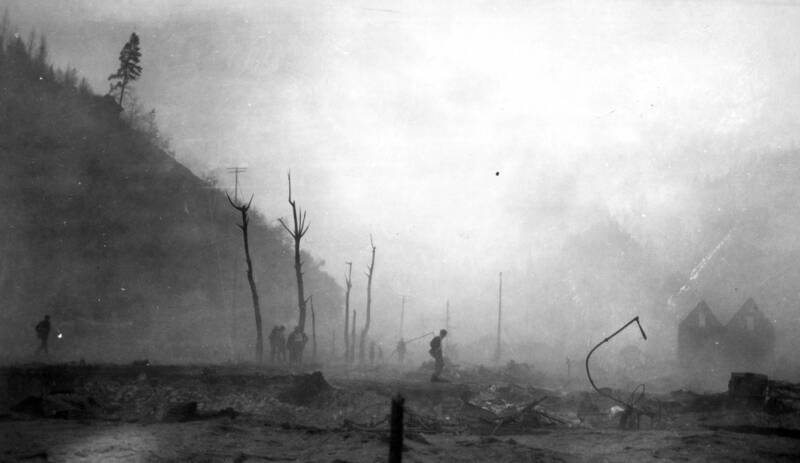
A multimodal essay by Isabel Marlens using threads from archival material, alongside Indigenous fire knowledge, ideas from Western science—both historical and current—literature, psychology, and history in an effort to understand the lasting effects of 1910's Great Fire on the landscapes of the Northwest.
Creator: Isabelle Marlens
Ongoing oral history project featuring conversations with members of the International Gay Rodeo Association (IGRA).
Creator: Dr. Rebecca Scofield